
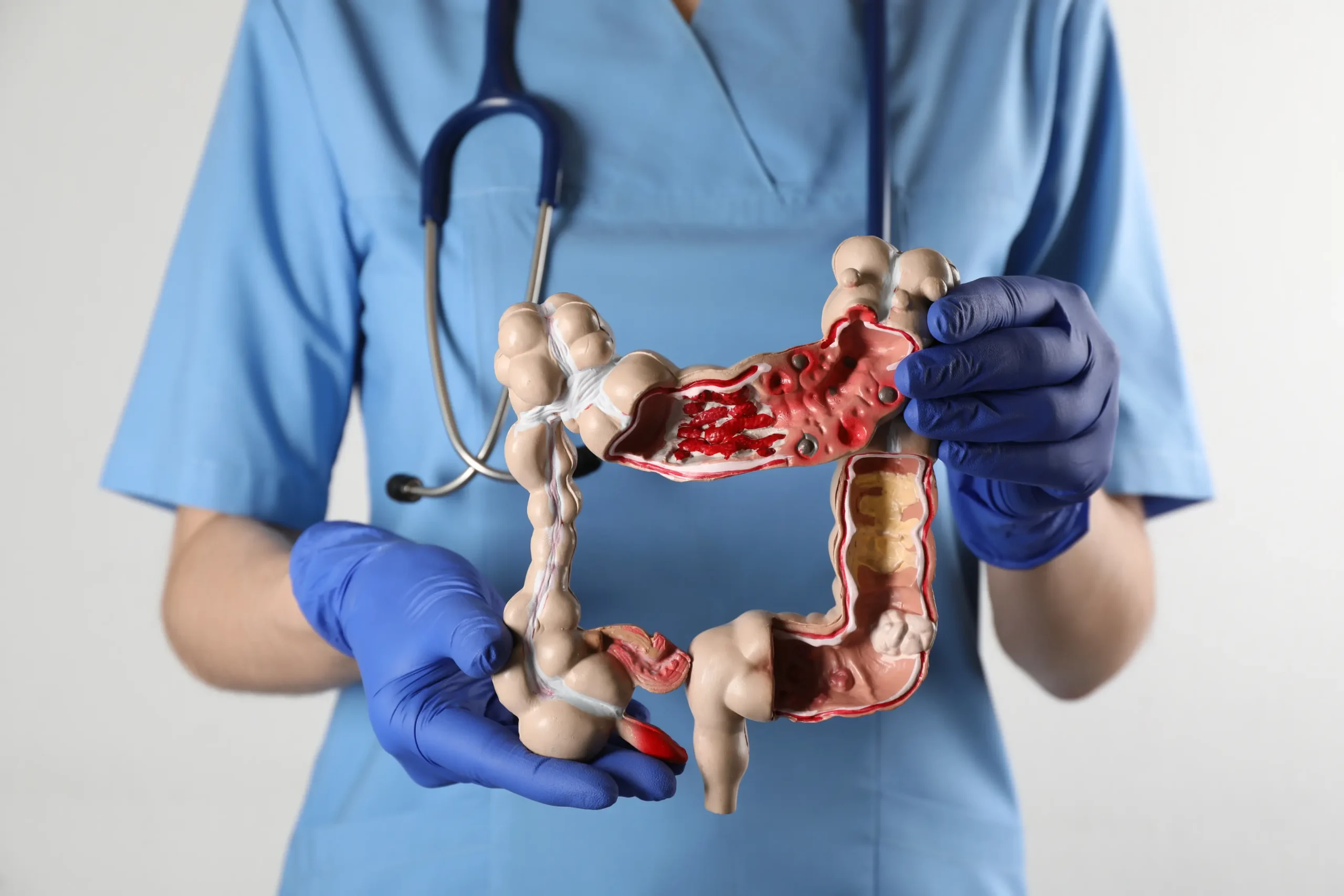
March is Colorectal Cancer Awareness Month, and at Bedford Gastroenterology, we believe that awareness saves lives. Colorectal cancer is the second leading cause of cancer-related deaths in the United States among cancers that affect both men and women, yet it is one of the most preventable cancers when caught early through regular screening. If you live in or near Bedford, NH and have been putting off your colonoscopy, this month is the perfect time to take action.
In this article, we cover everything you need to know about colorectal cancer screening, including who should be screened, what happens during a colonoscopy, what polyp removal involves, and how Bedford Gastroenterology is here to support your digestive health every step of the way.
Why Colorectal Cancer Awareness Month Matters
Colorectal cancer develops in the colon or rectum, and in most cases it begins as small, noncancerous growths called polyps. Over time, some of these polyps can become cancerous. The good news is that a colonoscopy can detect these polyps early and, in many cases, remove them before they ever develop into cancer.
When colorectal cancer is found at an early stage, the five-year survival rate is significantly higher than when it is caught later. That is why routine screening is so important. Unfortunately, many people avoid scheduling their colonoscopy due to fear, inconvenience, or simply not knowing when to start.
Colorectal Cancer Awareness Month is dedicated to changing that. At Bedford Gastroenterology, our physician Dr. Christopher Dainiak specializes in colon cancer screening and has been serving patients in Bedford, NH and southern New Hampshire for over 18 years. He is recognized as a Top Doctor in New Hampshire Magazine and is committed to making screening accessible, comfortable, and stress-free for every patient.
Who Should Schedule a Colonoscopy in Bedford, NH?
Current guidelines from the American Cancer Society recommend that people at average risk begin colorectal cancer screening at age 45. However, certain risk factors may mean you should start earlier or screen more frequently. You should talk to your doctor about scheduling a colonoscopy in Bedford, NH sooner if you have:
- A personal or family history of colorectal cancer or polyps
- A history of inflammatory bowel disease, including Crohn’s disease or ulcerative colitis
- A genetic syndrome such as familial adenomatous polyposis (FAP) or Lynch syndrome
- Symptoms such as blood in the stool, unexplained weight loss, or persistent changes in bowel habits
- A previous colonoscopy that showed polyps
Even if you have no symptoms, routine screening is still essential. Colorectal cancer often develops without any warning signs in its early stages. Our colonoscopy services in Bedford, NH are designed to be thorough, comfortable, and efficient so that you can take control of your health without disruption to your daily life.
What to Expect During a Colonoscopy at Bedford Gastroenterology
One of the most common reasons people delay their colonoscopy is not knowing what to expect. Understanding the process can help ease anxiety and encourage more people to schedule the screening they need.
Preparation
Before your colonoscopy, you will need to follow a bowel preparation protocol to clear the colon so your doctor can get a clear view. This typically involves a liquid diet the day before and drinking a bowel prep solution. At Bedford Gastroenterology, we provide detailed prep instructions to make this process as manageable as possible.
The Procedure
During the procedure, you will be given sedation so that you remain comfortable and relaxed. Dr. Dainiak will insert a thin, flexible tube called a colonoscope into the rectum and guide it through the colon. The scope has a small camera that provides a detailed view of the colon lining. The procedure typically takes between 30 and 60 minutes.
Recovery
After the procedure, you will rest in our recovery area while the sedation wears off. Because you will be sedated, you will need a driver to take you home. Most patients feel back to normal by the following day.
Polyp Removal During a Colonoscopy: What You Should Know
If your gastroenterologist identifies a polyp during your colonoscopy, it can often be removed right away during the same procedure. This is called a polypectomy, and it is one of the most powerful tools we have for preventing colorectal cancer. Our polyp removal services in Bedford, NH allow Dr. Dainiak to use specialized tools to safely remove polyps from the colon lining before they have the chance to become cancerous.
After removal, polyps are sent to a laboratory for analysis to determine whether they are benign, precancerous, or cancerous. Depending on what is found, your doctor will recommend a follow-up schedule for future screenings.
How Colorectal Cancer Connects to Digestive Health Conditions
Certain digestive health conditions are associated with an increased risk of colorectal cancer. Patients who have been diagnosed with inflammatory bowel disease such as Crohn’s disease or ulcerative colitis have a higher lifetime risk and typically require more frequent surveillance colonoscopies.
At Bedford Gastroenterology, we provide comprehensive management of Crohn’s disease and ulcerative colitis in Bedford, NH, which includes regular monitoring to catch any concerning changes as early as possible. If you have been diagnosed with one of these conditions, talk to Dr. Dainiak about your personalized screening schedule.
Similarly, patients with celiac disease or irritable bowel syndrome (IBS) should maintain open communication with their gastroenterologist about any changes in symptoms, as some GI conditions can mask or overlap with early colorectal cancer warning signs.
Nutrition and Colorectal Cancer Prevention
March is also National Nutrition Month, which makes it a perfect time to talk about the role diet plays in colorectal cancer prevention. Research has shown that a diet high in fiber, fruits, and vegetables is associated with a lower risk of colorectal cancer. Conversely, diets high in processed meats, red meat, and alcohol are associated with increased risk. Our nutrition and dietary counseling services in Bedford, NH can help you develop a personalized eating plan that supports long-term digestive health and reduces your cancer risk.
Other lifestyle factors that may reduce your risk include maintaining a healthy weight, staying physically active, avoiding tobacco, and limiting alcohol consumption. While no diet or lifestyle change can fully eliminate the risk of colorectal cancer, these steps combined with regular screening offer the best protection.
Why Choose Bedford Gastroenterology for Your Colonoscopy in Bedford, NH?
Bedford Gastroenterology is an independently owned gastroenterology practice in Bedford, NH, dedicated to providing patient-focused, expert care close to home. When you choose us for your colonoscopy or other digestive health needs, you benefit from:
- Personalized care from Dr. Christopher Dainiak, a gastroenterologist with over 18 years of experience in New Hampshire
- Recognition as a Top Doctor by New Hampshire Magazine every year from 2018 to 2024
- Specialization in colon cancer screening and esophageal motility disorders
- A commitment to independent practice, patient choice, and community health
- Convenient location in Bedford, NH, serving patients throughout southern New Hampshire
We understand that scheduling a colonoscopy can feel like a daunting step. Our team is here to answer your questions, walk you through what to expect, and make the entire process as comfortable as possible. Your health is our priority, and we are honored to serve the Bedford community.
Schedule Your Colonoscopy in Bedford, NH Today
Do not wait until symptoms appear. This Colorectal Cancer Awareness Month, take the step that could save your life. Contact Bedford Gastroenterology today to schedule your colonoscopy in Bedford, NH and protect your long-term digestive health. Our team is ready to help you get the care you need.
Frequently Asked Questions About Colonoscopy Screening in Bedford, NH
1. At what age should I get my first colonoscopy?
For people at average risk, the American Cancer Society recommends starting colorectal cancer screening at age 45. If you have a family history of colorectal cancer, inflammatory bowel disease, or other risk factors, your doctor may recommend starting earlier. Talk to Dr. Dainiak at Bedford Gastroenterology to determine the right timing for your screening.
2. How often do I need a colonoscopy?
If your colonoscopy results are normal, you will typically need a repeat screening every 10 years. However, if polyps are found or if you have risk factors such as inflammatory bowel disease, your doctor will recommend more frequent screenings. Your individual schedule will be based on your specific health history.
3. Is a colonoscopy painful?
Most patients do not experience pain during a colonoscopy because they are sedated throughout the procedure. You may feel mild bloating or cramping afterward as your body clears any air introduced during the procedure, but this typically resolves within a few hours. The majority of patients find the bowel preparation beforehand to be the most challenging part.
4. What happens if a polyp is found during my colonoscopy?
If a polyp is identified, your gastroenterologist can remove it during the same procedure in most cases. This is called a polypectomy. The removed polyp will be sent to a lab for analysis. Depending on the results, your doctor may recommend follow-up colonoscopies more frequently. Learn more about polyp removal at Bedford Gastroenterology.
5. How do I prepare for a colonoscopy in Bedford, NH?
Preparation involves following a clear liquid diet the day before your procedure and drinking a bowel prep solution to cleanse the colon. Bedford Gastroenterology provides complete procedure prep instructions to guide you through every step. Following the prep instructions carefully is important for a complete and accurate examination.