
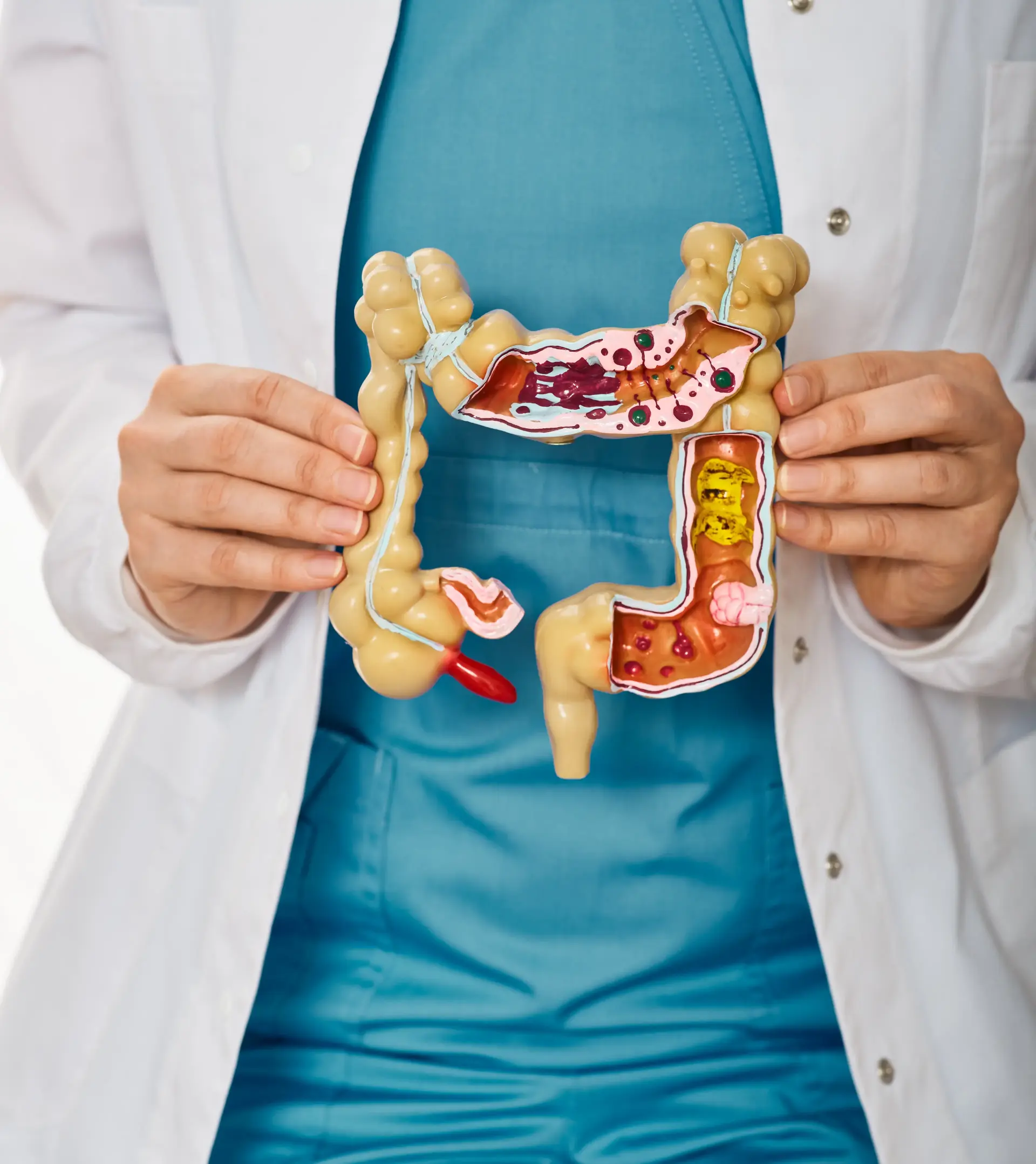
April is IBS Awareness Month, and at Bedford Gastroenterology, we want every patient in Bedford, NH and across southern New Hampshire to know that irritable bowel syndrome is real, it is common, and it is treatable. Far too many people suffer in silence, dismissing their symptoms as something they simply have to live with. The truth is that with the right diagnosis and a personalized treatment plan, most people with IBS can experience significant relief and a much better quality of life.
In this article, we break down what IBS is, how it is diagnosed, what triggers it, and what treatment options are available at Bedford Gastroenterology so you can stop managing your symptoms alone and start getting the expert care you deserve.
What Is Irritable Bowel Syndrome (IBS)?
Irritable bowel syndrome is a chronic gastrointestinal disorder that affects the large intestine. It is classified as a functional GI disorder, meaning it is related to how the gut functions rather than visible structural damage to the digestive tract. IBS is one of the most commonly diagnosed GI conditions in the United States, affecting an estimated 10 to 15 percent of adults, yet it remains widely misunderstood and frequently underdiagnosed.
IBS is characterized by a group of symptoms that occur together and tend to come and go over time. The condition is not the same as inflammatory bowel disease (IBD), which includes Crohn’s disease and ulcerative colitis and involves visible inflammation of the GI tract. However, the symptoms of IBS can be just as disruptive to daily life and should be taken seriously.
Common Symptoms of IBS
IBS symptoms vary from person to person but most commonly include:
- Abdominal pain or cramping that is often relieved after a bowel movement
- Bloating and gas
- Diarrhea, constipation, or a pattern that alternates between both
- Changes in the frequency or appearance of bowel movements
- A feeling of incomplete evacuation after a bowel movement
- Urgency or difficulty controlling the timing of bowel movements
These symptoms can range from mild to severe and may worsen during periods of stress, hormonal changes, or after eating certain foods. Many patients with IBS also report that their symptoms significantly affect their ability to work, travel, socialize, and engage in daily activities.
Types of IBS: IBS-C, IBS-D, and IBS-M
Gastroenterologists classify IBS into subtypes based on the predominant bowel habit pattern:
IBS with Constipation (IBS-C)
Patients with IBS-C experience hard or lumpy stools more than 25 percent of the time, with loose or watery stools less than 25 percent of the time. Bloating and abdominal discomfort are common.
IBS with Diarrhea (IBS-D)
Patients with IBS-D experience loose or watery stools more than 25 percent of the time. They may also experience urgency, meaning the need to reach the bathroom quickly.
IBS with Mixed Bowel Habits (IBS-M)
Some patients experience both constipation and diarrhea at different times. This mixed pattern is referred to as IBS-M and can make daily planning particularly challenging.
Identifying your IBS subtype is an important step in developing the most effective treatment approach. At Bedford Gastroenterology, our IBS treatment plans in Bedford, NH are tailored specifically to your subtype, symptoms, and lifestyle so you receive care that actually fits your life.
What Causes IBS? Understanding Your Triggers
The exact cause of IBS is not fully understood, but researchers believe it involves a combination of factors that affect how the gut and brain communicate, known as the gut-brain axis. Contributing factors may include:
- Abnormal muscle contractions in the intestine that cause cramping, diarrhea, or constipation
- Heightened sensitivity to pain in the digestive tract
- Disruptions in the gut-brain connection that affect how signals are sent and interpreted
- Changes in the gut microbiome, the community of bacteria that lives in the digestive tract
- Prior GI infections that alter gut function
- Stress, anxiety, and mental health factors that influence gut behavior
Common triggers that can worsen IBS symptoms include specific foods, stress, hormonal fluctuations, and certain medications. Keeping a symptom diary can be a helpful first step in identifying your personal triggers so you and your doctor can address them directly.
Food and Diet as IBS Triggers
For many IBS patients, certain foods and eating patterns play a major role in triggering or worsening symptoms. Common dietary triggers include:
- High-FODMAP foods, which are fermentable carbohydrates found in items like onions, garlic, wheat, apples, and dairy products
- Fatty or fried foods that slow digestion and cause cramping
- Caffeine and alcohol, which can stimulate the digestive tract
- Carbonated beverages that contribute to bloating and gas
- Large meals that overwhelm the digestive system
A low-FODMAP diet has been shown in clinical studies to significantly reduce IBS symptoms in many patients. Our nutrition and dietary counseling services in Bedford, NH can help you identify your specific food triggers, navigate dietary adjustments, and build sustainable eating habits that support your gut health without sacrificing the joy of eating.
How Is IBS Diagnosed at Bedford Gastroenterology?
There is no single test that definitively diagnoses IBS. Instead, diagnosis involves a thorough review of your symptoms, medical history, and the exclusion of other conditions that could cause similar symptoms. Dr. Dainiak at Bedford Gastroenterology will evaluate your symptoms using established clinical criteria and may recommend diagnostic testing to rule out other conditions such as celiac disease, inflammatory bowel disease, or colorectal cancer.
Diagnostic tests that may be used during your evaluation include:
- Blood tests to check for signs of infection, inflammation, or anemia
- Stool testing to rule out infection or other GI issues
- A colonoscopy to examine the colon and rule out structural abnormalities or inflammatory conditions
- A flexible sigmoidoscopy to examine the lower colon
- An upper endoscopy if symptoms suggest involvement of the upper GI tract
Getting a proper diagnosis is the essential first step toward effective treatment. Our comprehensive diagnostic services in Bedford, NH are designed to give you clarity about what is causing your symptoms so we can build the right care plan for you.
IBS Treatment Options in Bedford, NH
There is no one-size-fits-all cure for IBS, but there is a wide range of effective strategies that can dramatically reduce symptoms and improve quality of life. Treatment at Bedford Gastroenterology is personalized to you and typically involves a combination of the following approaches:
Dietary Modifications
Working with a gastroenterologist and nutrition counselor to identify and eliminate trigger foods, increase fiber intake strategically, and follow an eating plan such as the low-FODMAP diet tailored to your IBS subtype.
Medications
Depending on your subtype and severity, Dr. Dainiak may recommend medications to manage specific symptoms. These may include antispasmodics for cramping, laxatives or motility agents for IBS-C, anti-diarrheal medications for IBS-D, or prescription therapies targeting gut-brain communication.
Stress Management and Behavioral Therapies
Because stress plays a significant role in IBS flares, addressing mental and emotional health is often a key component of treatment. Techniques such as cognitive behavioral therapy (CBT), gut-directed hypnotherapy, and mindfulness have strong evidence supporting their effectiveness in managing IBS symptoms.
Probiotics and Gut Microbiome Support
Emerging research supports the use of specific probiotic strains in helping some IBS patients manage bloating, gas, and bowel irregularity. Dr. Dainiak can help guide you on whether probiotics are appropriate for your situation.
IBS and Related Digestive Conditions
IBS often overlaps or coexists with other digestive health conditions. Some patients with IBS also experience symptoms related to acid reflux, celiac disease, or small intestinal bacterial overgrowth (SIBO). It is important that your gastroenterologist evaluates the full picture of your digestive health so that no underlying condition goes unaddressed.
If you have been diagnosed with celiac disease, for example, even small amounts of gluten can trigger IBS-like symptoms. Our treatment for celiac disease in Bedford, NH addresses the dietary and medical management needed to protect your gut lining and prevent ongoing damage.
When to See a Gastroenterologist for IBS Symptoms
Many people manage IBS symptoms on their own for years before seeking care from a specialist. However, there are important warning signs that should prompt you to see a gastroenterologist right away:
- Blood in your stool or rectal bleeding
- Unexplained weight loss
- Symptoms that wake you from sleep
- A family history of colorectal cancer, IBD, or celiac disease
- New onset of symptoms after age 45
- Persistent symptoms that are not improving with dietary or lifestyle changes
These red flag symptoms may indicate a more serious condition that requires prompt evaluation. Do not wait to seek care if you are experiencing any of these warning signs.
Expert IBS Care Right Here in Bedford, NH
At Bedford Gastroenterology, we know how much IBS can affect your day-to-day life, from the foods you feel comfortable eating to the activities you feel confident participating in. Dr. Christopher Dainiak takes a thorough, compassionate approach to IBS care, combining expert diagnostics with personalized treatment planning that puts you at the center of your care.
You do not have to keep guessing why your gut is behaving the way it is. This IBS Awareness Month, take the step toward getting answers and real relief. Our team is here to listen, evaluate, and create a plan that works for you.
Contact Bedford Gastroenterology today to schedule your consultation and learn more about our IBS treatment plans in Bedford, NH. Your gut health deserves expert attention, and we are here to provide it.
Frequently Asked Questions About IBS Treatment in Bedford, NH
1. How do I know if I have IBS or something more serious?
IBS shares symptoms with other conditions such as inflammatory bowel disease, celiac disease, and colorectal cancer, which is why a proper evaluation by a gastroenterologist is so important. If you are experiencing persistent GI symptoms, red flag signs like blood in the stool, or symptoms that are new or worsening, schedule an appointment with Bedford Gastroenterology. Our diagnostic services in Bedford, NH can help rule out other conditions and confirm whether IBS is the cause.
2. Is IBS a lifelong condition?
IBS is generally a chronic condition, but symptoms often fluctuate over time. Many patients find that with the right combination of dietary changes, stress management, and medical treatment, their symptoms become much more manageable or go into long periods of remission. The goal of IBS treatment at Bedford Gastroenterology is to reduce the frequency and severity of flares so that IBS has minimal impact on your daily life.
3. Can stress really make IBS worse?
Yes. The gut and brain are closely connected through a network of nerves and hormones known as the gut-brain axis. Stress, anxiety, and emotional upheaval can directly trigger or worsen IBS symptoms by altering how the gut contracts and how sensitive it is to stimulation. Addressing mental health as part of your IBS treatment plan is often just as important as dietary and medical interventions.
4. What is the low-FODMAP diet and should I try it for IBS?
The low-FODMAP diet is an evidence-based eating plan that reduces fermentable carbohydrates that are poorly absorbed in the small intestine and can trigger IBS symptoms. It has been shown to help up to 75 percent of IBS patients reduce bloating, gas, abdominal pain, and bowel irregularity. It is best undertaken with guidance from a healthcare professional to ensure nutritional balance. Our nutrition and dietary counseling services in Bedford, NH can help you implement the low-FODMAP diet safely and effectively.
5. Do I need a colonoscopy if I have IBS?
A colonoscopy is not required to diagnose IBS, but your gastroenterologist may recommend one to rule out other conditions such as inflammatory bowel disease or colorectal cancer, especially if you have red flag symptoms or are age 45 or older and due for routine screening. Learn more about our colonoscopy services in Bedford, NH.