
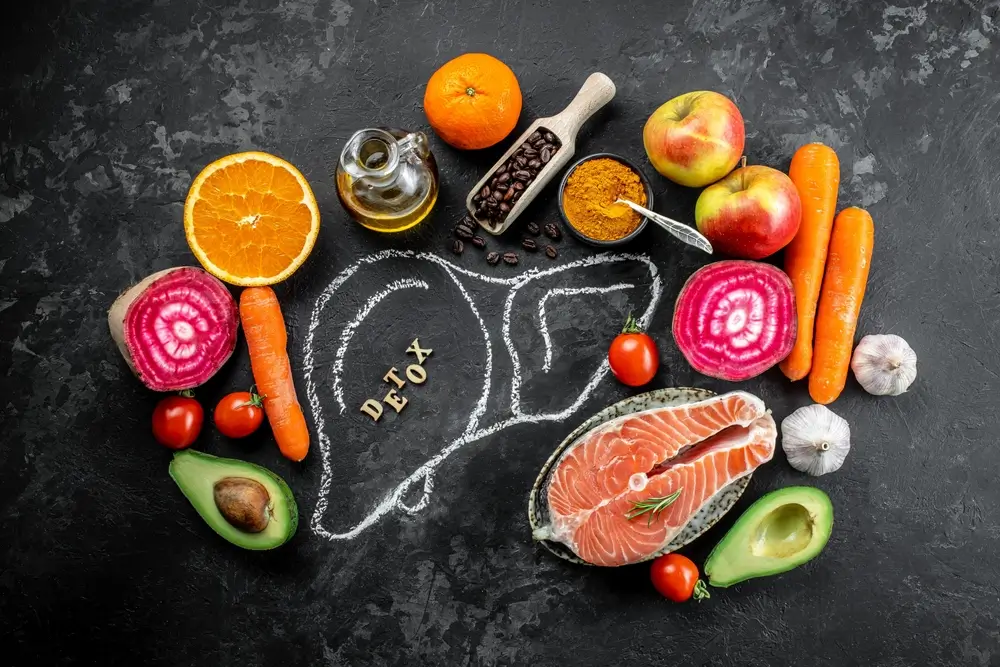
Fatty liver disease is increasingly common and is often linked to diet, weight, blood sugar imbalance, and metabolic health. The good news is that diet changes can play a powerful role in improving liver health and, in many cases, reversing fatty liver over time.
At Bedford Gastroenterology in Bedford, NH, we often remind patients that there is no single magic food or quick fix. Instead, the most effective fatty liver diet plan focuses on consistent, whole food choices that reduce inflammation, support liver function, and stabilize blood sugar.
Why Diet Matters for Fatty Liver Disease
The liver is responsible for processing fats, sugars, and toxins. When excess fat accumulates in liver cells, it can interfere with normal function and lead to inflammation. Diets high in added sugars, refined carbohydrates, and ultra processed foods are a major contributor to this process.
A fatty liver friendly diet focuses on reducing the burden placed on the liver while providing nutrients that support healing and metabolic balance.
Whole Foods That Support Liver Recovery
Whole foods are minimally processed and closer to their natural state. These foods provide fiber, antioxidants, and essential nutrients without overwhelming the liver.
Vegetables
Non starchy vegetables should be the foundation of a fatty liver diet. They are low in sugar, high in fiber, and rich in antioxidants. Examples include leafy greens, broccoli, cauliflower, zucchini, peppers, asparagus, and Brussels sprouts. Fiber helps improve insulin sensitivity and supports healthy digestion.
Fruits in Moderation
Fruit can be included, but portion control matters. Choose whole fruits rather than juices, which are concentrated sources of sugar. Berries, apples, pears, and citrus fruits tend to be better options because they are higher in fiber and lower in sugar compared to tropical fruits.
Lean Protein Sources
Protein helps preserve muscle mass and supports metabolic health. Good options include fish, poultry, eggs, tofu, tempeh, and legumes. Fatty fish such as salmon, sardines, and trout also provide omega 3 fatty acids, which may help reduce liver inflammation when consumed as part of a balanced diet.
Whole Grains and High Fiber Carbohydrates
Replacing refined carbohydrates with whole grains can significantly benefit liver health. Choose foods like oats, quinoa, brown rice, farro, barley, and whole grain breads in reasonable portions. Fiber slows the absorption of sugar and reduces fat accumulation in the liver.
Healthy Fats
Not all fats are harmful to the liver. Healthy fats can actually support recovery when consumed in moderation. Olive oil, avocados, nuts, and seeds are good choices. These fats help reduce inflammation and support heart and metabolic health.
Foods to Limit or Avoid for Fatty Liver Disease
Certain foods place extra stress on the liver and can slow recovery.
Added Sugars
Sugar is one of the biggest drivers of fatty liver disease. This includes table sugar, honey, syrups, and high fructose corn syrup. Sugary drinks, desserts, candy, and sweetened coffee beverages should be minimized or avoided.
Refined and Processed Carbohydrates
White bread, white pasta, pastries, crackers, and packaged snack foods are quickly converted into sugar in the body. These foods spike blood sugar and promote fat storage in the liver.
Ultra Processed Foods
Highly processed foods often contain a combination of refined carbs, unhealthy fats, and additives. Fast food, frozen meals, processed meats, and packaged snacks contribute to inflammation and metabolic dysfunction.
Alcohol
Alcohol is processed directly by the liver and can worsen fatty liver disease. Even moderate intake may interfere with recovery. Patients should discuss alcohol use with their gastroenterology provider to determine what is safe for their specific situation.
Building a Sustainable Fatty Liver Diet Plan
A successful fatty liver diet is not about extreme restriction. It is about creating balanced meals that you can maintain long term.
A simple approach includes filling half your plate with vegetables, choosing a lean protein source, adding a small portion of whole grains or legumes, and using healthy fats sparingly. Drinking water instead of sugary beverages and eating regular meals can also help stabilize blood sugar.
Weight loss, when appropriate, can improve fatty liver disease, but it should be gradual. Rapid or extreme dieting can actually worsen liver inflammation.
When to Seek Medical Guidance
Diet is a cornerstone of fatty liver treatment, but it is only one part of care. Some patients may need blood tests, imaging, or ongoing monitoring to assess liver health and rule out more advanced disease.
If you have been diagnosed with fatty liver disease or are experiencing symptoms such as fatigue, abdominal discomfort, or abnormal liver tests, the team at Bedford Gastroenterology in Bedford, NH can help develop a personalized care plan.
Supporting Liver Health Through Consistency
Recovery from fatty liver disease takes time. Consistently choosing whole foods, avoiding added sugars and processed carbohydrates, and maintaining healthy lifestyle habits can lead to meaningful improvements in liver function and overall health.
Small, sustainable changes are often more effective than drastic short term diets. With the right approach and medical guidance, many patients can successfully improve and protect their liver health.